When the Sea Unlaces Cornwall’s Secret Mazes

We set out to explore the Low-Tide Labyrinths of Cornwall—ribbons of channels, rock pools, causeways, and shadowed arches that appear when the Atlantic breathes out. With tide tables ready and curiosity leading, follow paths once traced by fishers, pilgrims, and storytellers. Expect gleaming kelp, whispering caves, and the quiet suspense of sand turning to mirror. Share your discoveries, ask questions, and join our coastal circle as the shoreline redraws itself beneath your confident, mindful steps.

Reading the Ocean’s Clock

Spring Windows and Neap Whispers
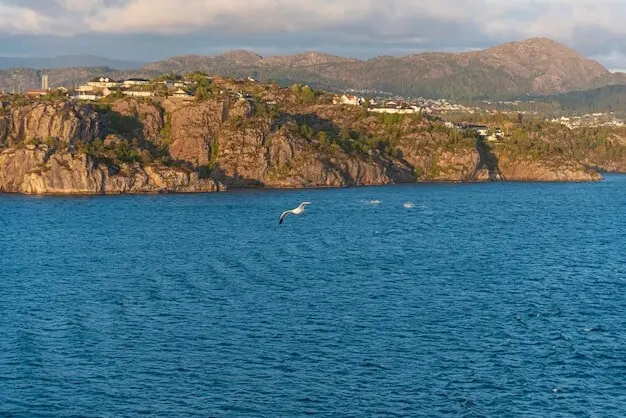
Spring tides peel the coastline widest, often revealing entire sequences of pooled basins, traversable ledges, and dry crossings that vanish by lunchtime. Neap tides are gentler, offering subtler corridors yet longer comfort for lingering. Watch the fortnightly cycle, track the moon, and note how a morning spring low might shift by nearly an hour the next day. Mastering this cadence keeps your wander buoyant, unhurried, and joyfully precise.

Charts, Apps, and Footprints That Return Dry
Pair a trustworthy tide app with local harbor tables, then cross-check against beach signage before you step out. Add a map for escape lines, fix time markers on your phone, and watch distant rocks that become reference beacons. If you photograph, use timestamps to gauge the sea’s pace. Aim for a return route that remains dry even if the ocean’s advance proves quicker than predicted, preserving comfort, photos, and stories.

The Art of Safe Retreat

Safe exploration means always keeping a higher strandline in sight and a conservative turnaround time in mind. Let curiosity guide, but never at the cost of common sense. Avoid being funneled into narrowing gullies, note slippery weeded slopes, and remember that swells can surge unexpectedly. Review local RNLI guidance, travel with a companion, and share your plan with someone ashore. The most memorable labyrinth walks end with warm tea, not tense sprinting.

Passages Revealed Along the Coast

At low water, Cornwall becomes a masterclass in hidden architecture. Coves interlock like puzzle pieces, islands tether themselves by gleaming causeways, and caves hum with old air. While conditions vary daily, some places consistently kindle awe. Wander with humility, let locals’ advice refine your route, and carry a pocketful of wonder. The names below have stories folded into their stone, ready to unfold as wave-music softens and sand hardens underfoot.

Kynance Cove’s Serpentine Corridors

When the tide slackens at Kynance, dark-polished serpentine reveals corridors and chambers with astonishing colors—greens, russets, and slick blacks. The famous “Drawing Room” and “Parlour” emerge, their thresholds framed by living tassels of wrack. Walk gently: sand gives way to boulders, and damp shoelace seaweed disguises traction. Listen for the echo of distant swells; they measure your lingering time better than any watch, urging a graceful loop rather than a risky shortcut.

The Causeway to St Michael’s Mount

A cobbled ribbon links Marazion to the island fortress when the sea leans away. It is both a pilgrimage and a photograph waiting to happen—reflections, gulls, and granite that has watched centuries pass like tides. Leave enough time to return dry; the water’s return is deceptively swift. Stepping across, you join countless traders, monks, and families whose footsteps flicker beneath today’s shallows, stitching present wonder to a lineage older than memory.
Life Between Stones and Sun
The intertidal is a crowded city, its residents adapting with grace to each tidal breath. Colors bloom in miniature—jewel anemones, purple snails, emerald weed—and dramas unfold as crabs sidestep destiny. Kneel, pause, and become a careful observer. Hands off fragile lives, lift no stones you won’t replace exactly, and keep creatures submerged while admiring them. Share respectful photos, tag local conservation groups, and turn wonder into stewardship that keeps tomorrow’s maze alive.

Lizard’s Polished Greens and Reds

The Lizard’s ancient serpentine, born of ocean crust, takes a soap-smooth sheen under waves, painting corridors with surprising color. Underfoot, textures swing from velvet to slick, and each notch funnels foam like a metronome. Pause to trace iron-rich streaks, then notice where algae changes traction. This is a studio worked by wind and water, where patience reveals safe holds, and gratitude grows with every measured step between splash and gleam.

Granite Ribs and Quartz Ladders

Cornwall’s granite batholith shoulders into sea, breaking into ribs that guide your stride at low water. Quartz seams stripe the rock like pale ladders, catching evening light and your eye in equal measure. These veins can be grippy or treacherous when films of algae settle. Watch for tide-polished bowls tucked between boulders; they mirror skies and offer breathers. The stone’s backbone teaches route-finding: follow firmness, test each step, and read light like a compass.

Stories, Customs, and Footprints

These shorelines keep more than shells. Smugglers threaded moonlit paths; pilgrims timed crossings with prayer; families learned tides by kitchen clocks and windows of sky. Modern walkers inherit that lightly worn map, re-inking it with respectful steps and shared notes. Legends are not escape hatches but lanterns, brightening care and craft. As you explore, gather local recollections, compare them with charts, and let both song and science guide your returning footprints.

Prussia Cove and the Smugglers’ Thread

Stories of John Carter, the so-called King of Prussia, linger in these scalloped coves where paths fold under headlands. Low tide once widened options for hidden landings and sudden vanishings. Today, the same cuts and clefts host family adventures, cautious and full of laughter. Trace a careful loop, imagine barrels swapped for picnics, and leave nothing except gratitude. Share a remembered tale beneath a safe sky, and the cove answers with gentler echoes.

Troytown Maze on St Agnes

Across the water, the stone coil of Troytown sits like a prayer etched into earth, inviting slow, centering steps. Walking its spiral pairs beautifully with exploring tidal passages—both reward patience, attention, and breath. Although human-made, it converses with the sea’s own puzzles, suggesting that mazes help us listen harder. Tread respectfully, photograph lightly, and carry the pattern home in your stride, where it continues to unwind worries long after waves fall quiet.

Practices for Care, Creativity, and Return

The Gentle Explorer’s Code

Treat the shore as a breathing neighborhood. Replace any lifted stones exactly, touch creatures only with water, and keep buckets to brief observation before careful release. Avoid building stacks that disturb habitats and mislead route-finders. Pack out every scrap, even the sea’s gifts of plastic, and model patience for young walkers. A courteous wave to fishers and swimmers turns space into community. These quiet rituals protect the maze’s future, pebble by pebble.

Foraging with Respect and Law

If you gather seaweed, take modest amounts, cutting fronds and leaving holdfasts anchored. Check local regulations, protected areas, and seasonal restrictions managed by IFCAs and conservation bodies. Avoid shellfish in uncertain water quality or during algal blooms. Share recipes for laver or dulse while honoring boundaries, landowners, and byelaws. A handful carried home with gratitude tastes better than armfuls taken in haste. Leave enough for wildlife, neighbors, and the next bright low tide.

Photography and Field Notes

Low tide gifts mirrors and leading lines—wet sand becomes calligraphy, and pools frame constellations. Pack lightly, mind straps near swell, and favor a polarizer to tame glare. Record tide time, wind direction, swell period, and safe exits with each frame. Later, your images replay choices that worked. Share albums and questions with us; we trade settings, spots, and cautionary tales that keep creativity buoyant and every return as confident as your best shot.
Faritavonovilivomexo
Privacy Overview

This website uses cookies so that we can provide you with the best user experience possible. Cookie information is stored in your browser and performs functions such as recognising you when you return to our website and helping our team to understand which sections of the website you find most interesting and useful.