Walk the Edge Wisely: Low-Tide Adventures Across Cornwall

Set out with confidence along Cornwall’s dramatic shores. Here we explore Safety and Tide-Planning for Low-Tide Coastal Explorations in Cornwall, turning curiosity into prepared steps. Learn to read tide tables, choose safe windows, and build plans that honor weather, swell, wildlife, and your own limits. Share your go-to low-tide routes, cautionary tales, and planning tips in the comments, and subscribe for seasonal checklists as conditions change.

Tide Sense Made Practical

Understanding spring and neap cycles

Spring tides arrive twice monthly, pulling the sea farther and pushing it back faster. Expect broader exposures, stronger surges, and narrower safe windows around headlands. Neaps soften movement, yet complacency hurts; atlantic swells and uneven ground still demand deliberate pacing and conservative turn-around times.

Rule of twelfths simplified

Use the rule of twelfths as a rough guide to how quickly levels rise between low and high, remembering coasts vary. Early hours change slowly, then accelerate mid-tide. Plan crossings to complete well before acceleration, and always prioritize real observations over optimistic calculations.

Local charts, apps, and boards

Cross-check reputable sources: Admiralty tide tables, RNLI advice pages, harbour noticeboards, and local lifeguard updates where present. Screens help, yet paper backups shine when batteries die. If two sources conflict, choose the more conservative prediction and adjust your ambitions without hesitation.

Out-and-back timing without surprises

Plan to turn back no later than one third into the flood, or sooner if terrain complicates progress. Sand becomes glue, boulders slow pace, and photos steal minutes. Keep generous checkpoints, checking watches together, so group momentum favors caution over enthusiasm.

Spotting cut-offs before they trap you

Study aerial maps for headlands, reefs, and coves that pinch into chokepoints. On foot, look back often; what seems passable outbound may already be swallowing under swirling eddies inbound. If unsure, retreat early, because pride is lighter to carry than rescues.

Lessons from the St Michael’s Mount crossing

That charming causeway invites photos, yet its character shifts quickly. Watch the stones darken as the tide returns, add wind-blown chop, and crossings vanish earlier than tables imply. Time your steps conservatively, and accept waiting as wisdom, not inconvenience, when waters insist.

Swell, Wind, Light: Reading What Moves

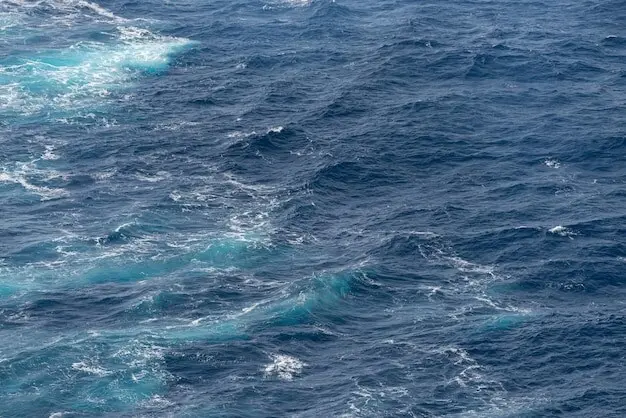
Even at low water the ocean writes its own agenda. Long-period swell reaches around corners, wind piles chop into gullies, and reflected waves rebound off cliffs. Learn forecasts, then believe your eyes first. A calm minute can disguise dangerous sets rolling from distant storms.

Swell height, period, and direction decoded

A small height with a long period can still thump you, especially where reefs focus energy. Direction matters: north coast coves react differently to southwesterly pulses. Stand, watch full sets, count intervals, and decide if crossings or caves remain sensible for your team today.

Wind shifts and compressed chop near cliffs

Headlands funnel breezes, turning a light forecast into mischievous gusts that steal warmth and balance. Offshore winds might drop surface texture yet expose you to cold. Onshore winds shorten decision windows. Dress accordingly, protect maps, and reassess corners rather than committing blindly into surprises.

Visibility, showers, and the race with dusk

Cornish weather toys with timing. Sea mist erases distant markers, showers gloss rocks, and sunset hides safe exits faster than memory expects. Pack reliable lights, bright layers, and a simple plan for earlier turnarounds, because beauty after dusk can complicate every practical choice.

Traction, Layers, and the Little Kit That Matters

Comfort equals focus. Grippy footwear, warm layers, gloves, and a small first-aid kit reduce distractions that turn curiosity into stumbles. Keep hands free with a rucksack, stash hot drinks in winter, and remember that dry socks can revive morale faster than speeches.

Wildlife, Rockpools, and Stories in the Stone

Low water is a gallery of living details. Respect pupping seals, cliff-nesting birds, and delicate seaweeds that anchor entire communities. Touch softly, look longer, and leave everything as found. Your patience invites wonder, protects habitats, and keeps access positive for everyone exploring after you.

Contingencies, Communication, and Calm Decisions

{{SECTION_SUBTITLE}}

Share intentions and checkpoints

Text a trusted person with locations, entry times, and latest return, including vehicle details. Use check-in alarms on phones or watches. In a group, nominate a timekeeper and navigator. Small rituals create shared awareness, catching drift before it swells into genuine trouble.

If cut off by a rising tide

Do not race the sea across slippery shortcuts. Ascend to safer, higher ground, mark your position, keep warm, and conserve phone power. Call 999 and ask for the Coastguard, describing landmarks and group condition. Patience and communication save far more than bravado.
Faritavonovilivomexo
Privacy Overview

This website uses cookies so that we can provide you with the best user experience possible. Cookie information is stored in your browser and performs functions such as recognising you when you return to our website and helping our team to understand which sections of the website you find most interesting and useful.