
Tides of Time: Mapping Cornwall’s Intertidal Networks

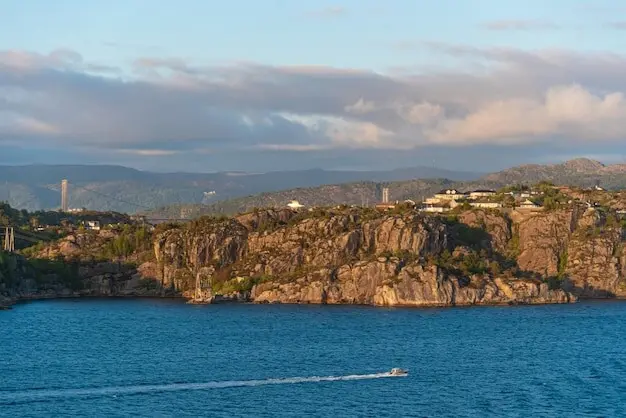
Step onto Cornwall’s shifting edge where maritime memory meets modern analysis. In this feature, we explore Mapping Cornwall’s Intertidal Networks with Historic Charts and Modern GIS, weaving together Admiralty soundings, coastal sketches, LiDAR rasters, and satellite pixels. Expect practical guidance, coastal stories, and carefully grounded methods that respect living shorelines and the people who navigate them, from fishers and foragers to walkers and archivists who have watched rocks, channels, and sands rearrange with every moon and storm.

Why the Shoreline Remembers

Intertidal zones are not empty spaces between land and sea; they are connective tissues that bind communities, species, and histories. Channels become footpaths at low water, reefs become crossroads, and mudflats become pantries. By tracing these seasonal and daily transformations, we see how Cornwall’s coves and estuaries quietly choreograph movement, shelter, and trade. Understanding these shifting networks reveals practical routes and ecological dependencies, while reminding us that memory in coastal places is written in silt, shells, and recurring patterns of return.

Reading the tide like a historian

A historian listens for patterns across time; on the foreshore, patterns speak through barnacle lines, wrack strands, and relics embedded in clay. Pairing diaries, parish notes, and pilot books with repeatable GIS measures turns intuition into evidence. You begin recognizing when a safe crossing once existed, why a quay was sited where it was, and how seasonal fisheries braided into the same intertidal arteries that walkers rediscover during spring tides.
Ecology stitched by mud and rock

Every patch of eelgrass, ridge of cockles, and limpet constellation marks a function in the coastal fabric. These are not decorations but directional signs for crabs, birds, and people. By digitizing habitats and overlaying them with exposure times and substrate gradients, GIS helps visualize how energy, nutrients, and footsteps move. Patterns of feeding and resting emerge as routes, revealing connections that explain why one cove hums with life while a neighboring inlet remains quiet after certain storms.
Communities shaped by ebb and flow

Villages once scheduled work to the bell and the barometer, but also to undertows and neap windows. The intertidal dictated when barrels rolled, pilchards cured, and ore moved onto waiting lighters. Mapping paths that appear at low water uncovers social geographies still active today: foraging rituals, dog-walking circuits, and school field trips timed to safe returns. These everyday journeys, recorded with GPX tracks and anecdotes, form living lines that complement any digitized shoreline.
Marginalia, soundings, and forgotten sandbanks

Look beyond coastlines to the notes scrawled at chart edges: “breakers reported,” “hard at half tide,” or obscure abbreviations marking sticky clay and firm sand. Soundings in fathoms sketch ancient corridors where keels once barely grazed. By digitizing isobaths and substrate remarks, then comparing them with contemporary bathymetry, we spot channels that silted, banks that migrated, and shoals that now stand dry on exceptional lows. These fragments translate into hypotheses you can test on a careful field day.

Aligning cartouches with coastlines

Georeferencing historic sheets is part science, part humility. Paper stretched, survey control evolved, and coastlines themselves drifted. Anchor points must be chosen thoughtfully—church towers, headland silhouettes, or unchanged quay corners—while acknowledging residual error. We iteratively adjust control points, compare against orthophotos, and log transformation residuals. The result is not perfect coincidence but transparent alignment that honors original intent, enabling responsible overlay with modern rasters without forcing yesterday’s lines to masquerade as today’s measured truth.

Building a Modern GIS that Breathes with the Tide

A tide-aware GIS must respect space and height together. We harmonize British National Grid coordinates with vertical references that bridge Admiralty Chart Datum and Ordnance Datum Newlyn, using published transformation models where available. Environment Agency LiDAR, Sentinel imagery, and drone surveys fill gaps between charts and boots. Cost surfaces account for slope, substrate, exposure duration, and safety margins. The goal is a living network analysis that flexes with spring and neap rhythms rather than freezing a single shoreline in time.

From Chart Datum to Newlyn: the vertical puzzle

Historic soundings reference Chart Datum, often close to Lowest Astronomical Tide, while terrestrial data aligns to Ordnance Datum Newlyn. Reconciling these frames matters when modeling exposure windows or wading depths. We document vertical references, apply vetted transformations, and propagate uncertainty bands. Rather than a brittle threshold, we represent water levels as ranges linked to forecast confidence, onshore wind, swell, and pressure anomalies, delivering maps that acknowledge variability and counsel caution during tempting but marginal conditions.

LiDAR, SAR, and pixels that hear the surf

LiDAR gives exquisite microtopography across beaches and saltmarshes, revealing rip channels and terrace steps. Sentinel‑2 imagery helps classify substrates and detect seasonal kelp, while Sentinel‑1 SAR reads texture changes through cloud and dusk. We derive slope, roughness, and moisture proxies, then fuse them with crowd-sourced tracks and field notes. The composite raster becomes a decision surface indicating likely firmness, footing risk, and habitat sensitivity, guiding both route choice and stewardship on flats, bars, and rocky platforms.

Stories Carved in Estuaries and Coves

Data finds meaning when it meets lived experience. Along the Fal, creeks unfold like pages, revealing scoured bends and soft landings where ferries once nudged alongside. At St Michael’s Mount, a cobbled way emerges, then vanishes, clocked by centuries of footfalls and prayers for fair weather. In Hayle, bars have shifted under engineering ambition and storm memory. Mapping these narratives alongside quantitative layers deepens credibility, honors voices, and invites readers to place their own journeys on the shared chart.

Risks, Rights, and Responsibilities

Foreshore freedom carries duties. Much of Cornwall’s intertidal is Crown Estate or privately managed, interlaced with Marine Protected Areas, SSSIs, and nesting sanctuaries. Sensitive habitats and unpredictable channels demand restraint. Our maps foreground safety access points, escape routes, and red zones where disturbance harms more than footsteps help. Licensing, bylaws, and local knowledge guide decisions about foraging, drone use, and survey timing. We frame exploration as care: collecting insights without extracting too much from places that give abundantly.

Walking safely across living charts

Check tide tables against weather, swell, and daylight. Plan turn‑back times, carry a charged phone, and tell someone your route. Avoid isolated bars with rising water behind you, and treat shiny substrates as slip warnings. Pack warm layers, headlamp, whistle, and simple first aid. Our guidance layers mark conservative exits and footholds, but judgment remains paramount. If conditions outpace confidence, retreat. The best map respects the sea’s right to rewrite any route without apology or notice.

Licenses, bylaws, and respectful curiosity

Before collecting samples, flying sensors, or staging group walks, confirm permissions and local restrictions. Some shores prohibit removal of living organisms or stones; many protect seals and roosting birds from disturbance. We document jurisdiction, contact details, and links to authoritative sources within each map panel. Curiosity grows when it treads lightly, credits communities, and avoids publishing sensitive nest or foraging sites. Ethical mapping is not red tape; it is coastal etiquette encoded for travelers between tides.

Open data without open wounds

Open datasets empower exploration, but openness should not amplify harm. We tag layers with licenses, blur or generalize locations of vulnerable habitats, and delay publishing data gathered during sensitive seasons. Contributors retain attribution, while community moderators can request edits or takedowns. Transparent versioning logs changes to routes and warnings. Sharing responsibly builds long‑term trust, ensuring that the act of mapping strengthens, rather than frays, the delicate weave of people, places, and nonhuman neighbors.

Join the Mapping: Tools, Prompts, and Next Steps

This project grows with your footprints, photos, and memories. Download our starter QGIS package, add GPX traces, tag substrates, and annotate safe ledges or sketchy shortcuts. If you prefer phones, pair OS Maps with QField or mobile collectors. We host office hours for georeferencing family charts or seaside postcards. Share reflections as much as coordinates, because reasons and feelings shape routes, too. Subscribe for update digests, contribute issues, and help the shoreline speak clearly to whoever arrives next.
Faritavonovilivomexo
Privacy Overview

This website uses cookies so that we can provide you with the best user experience possible. Cookie information is stored in your browser and performs functions such as recognising you when you return to our website and helping our team to understand which sections of the website you find most interesting and useful.